Every big photo trip starts the same way.
You plan it weeks in advance. Sometimes months. You pick the season, book the permits, figure out the drives, convince your friends that yes, we do have to be there before sunrise.
You control everything you possibly can.
Except the one thing that actually matters.
The conditions.
You can plan around the kind of weather you want. Fall color. Summer storms. Fresh winter snow. But the exact conditions on the exact morning you finally show up? Not up to you. Never was.
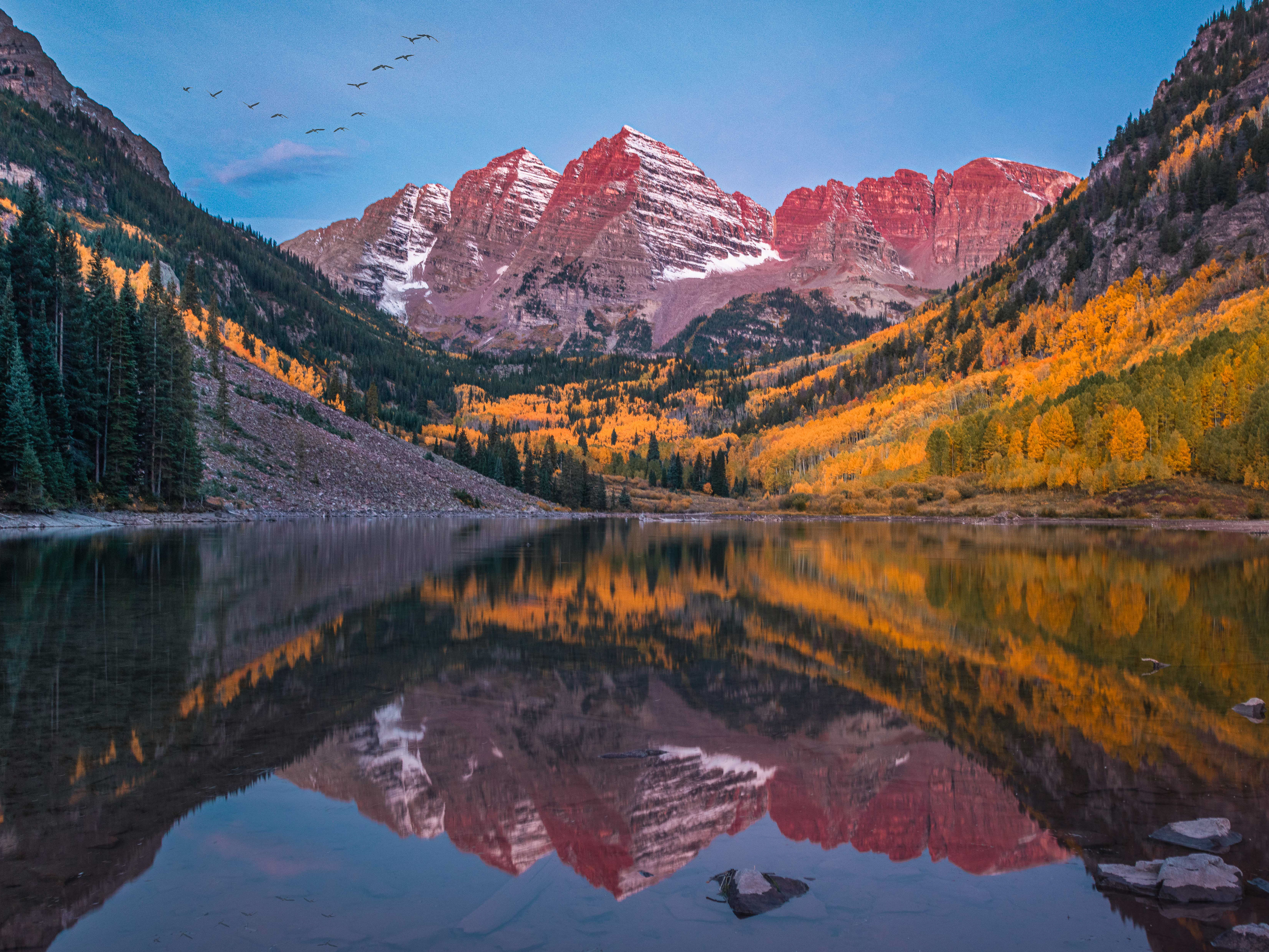
Sometimes you get lucky. Golden light pouring over the peaks. Fog sitting exactly where you dreamed it would. The scene you had in your head for months, just... there.
More often than not, you don't.
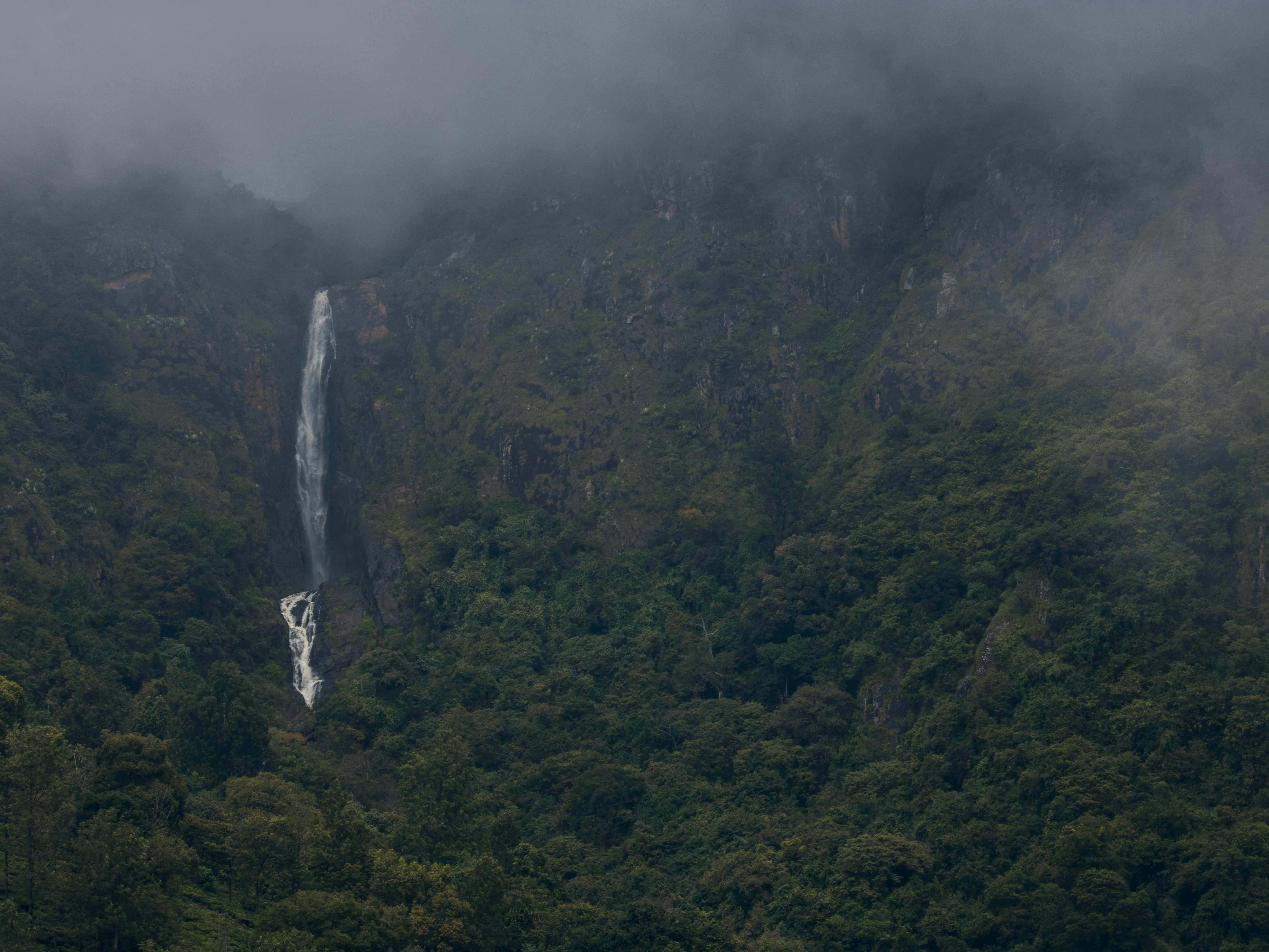
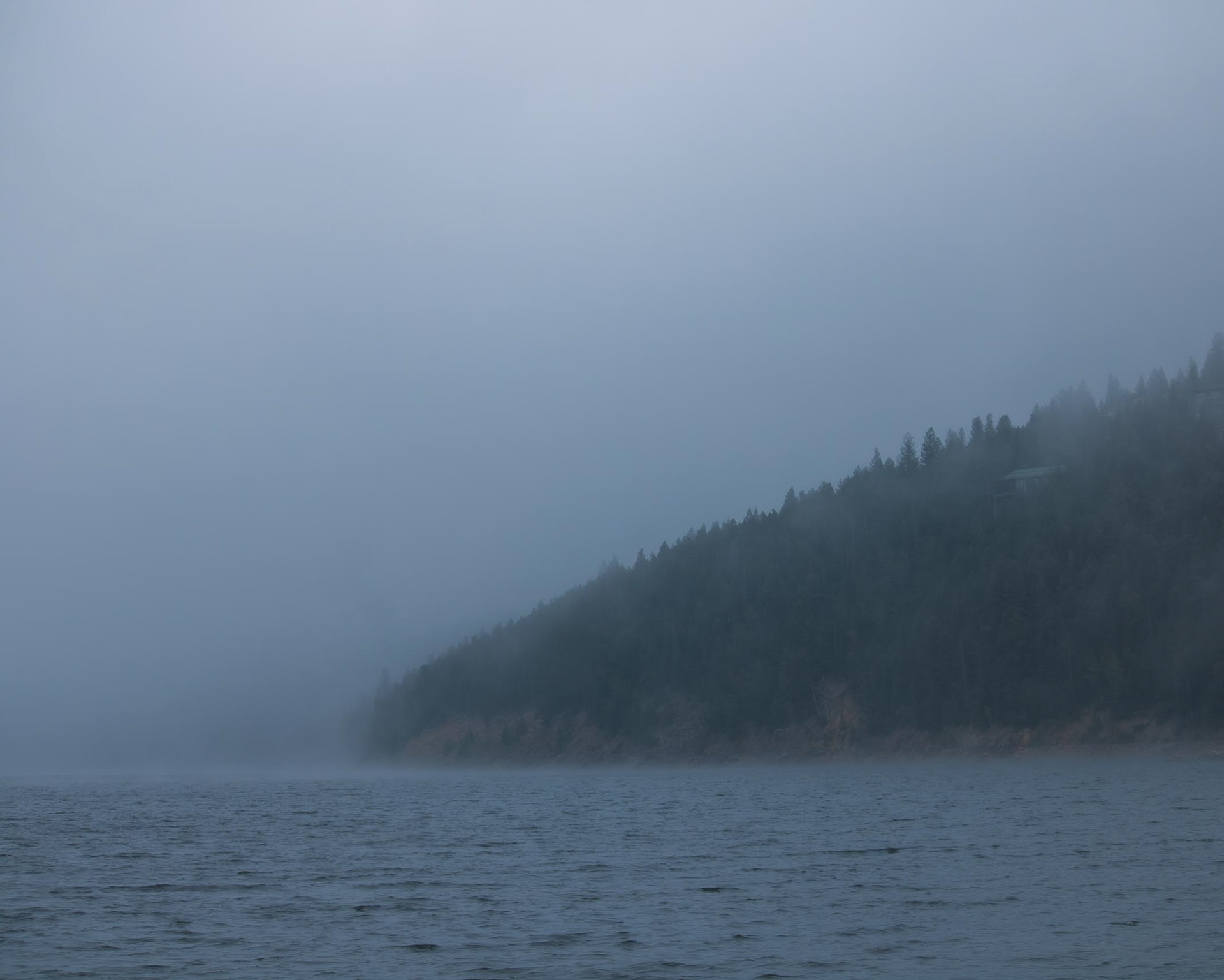
You get whatever. Fog when you wanted golden light. Pale blue skies when you wanted drama. Or my personal favorite: flat, grey, nothing.
I call it Greysville.
And I have been to Greysville everywhere. Glacier handed me nothing but rain and clouds. California, which is literally called the Golden State, gave me grey. Utah, a desert, where it barely ever rains, somehow found a way to be grey for me. I don't know who is issuing these permits, but Greysville apparently has locations in every state.



And here's the thing about us landscape photographers. We let the conditions dictate our mood. The forecast turns, and suddenly the whole trip feels ruined before the camera even comes out of the bag.
I'm no different.
I have had full-blown photo tantrums. Glacier gave me nothing but rain, and I sulked like the weather had wronged me personally. Being disappointed is fine. It's human. But it is not the end of the world, even though at the time it very much feels like it.
Because beauty exists in all kinds of weather.
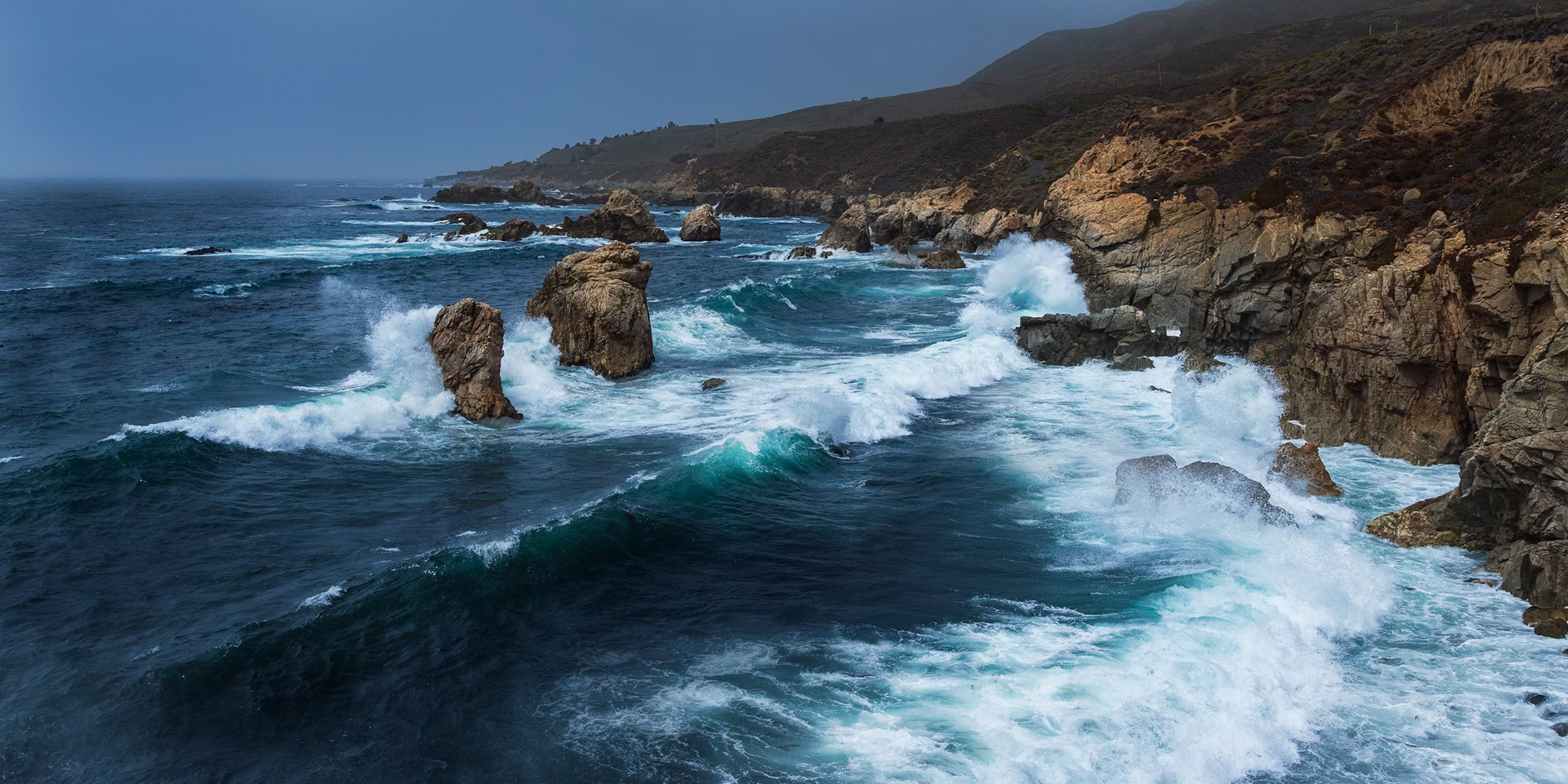
Rain means mood. Clouds mean texture. Grey means you stop chasing the grand vista and start noticing everything else. You shift your compositions around. You work with what you've got and make something different than what you came for.
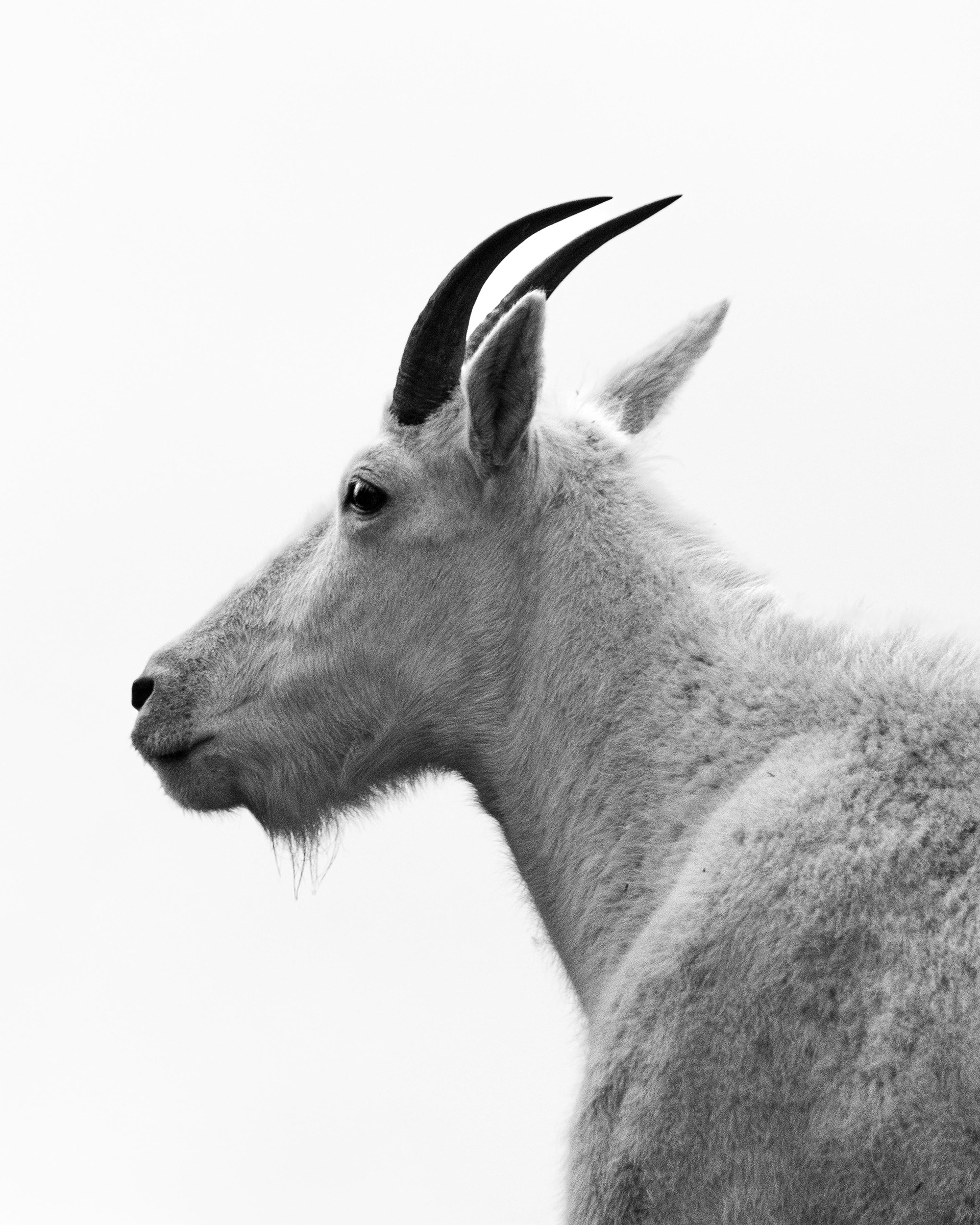
That moody Glacier frame above? It only exists because of the weather I was sulking about. And that flat white sky I was cursing became a clean, high-key backdrop the moment a mountain goat walked into it. Grey skies are terrible for grand landscapes and quietly perfect for portraits.
And here's the part that took me years to accept.
In retrospect, it's often the conditions you didn't want that lead to the more memorable images. The ones with a story. The ones that don't look like everyone else's shot of the same place.
And if nothing works at all? You now have a reason to come back.
Earlier on, I didn't see it that way. I would get upset like a kid who was promised ice cream and handed a salad. With time, I've evolved into leaning into whatever I'm presented with, and working from there.
Mostly.
Because let's be honest. If you drive ten hours and get socked in fog so thick you can't see the mountain, or your own tripod, a small tantrum is allowed. Encouraged, even.
My friends who have traveled with me can attest to this. Lol.
There's a flip side to all of this, though.
If you live near the landscape you're trying to photograph, you get to live through all the conditions.
The Flatirons are my proof.
They're right here in Boulder. My backyard mountains. And over the years I've photographed them in fresh snow at sunrise, under summer storms, glowing in golden light, buried in fog, lit by nothing but stars. Same peaks. Same composition, more or less. Completely different photograph every single time.


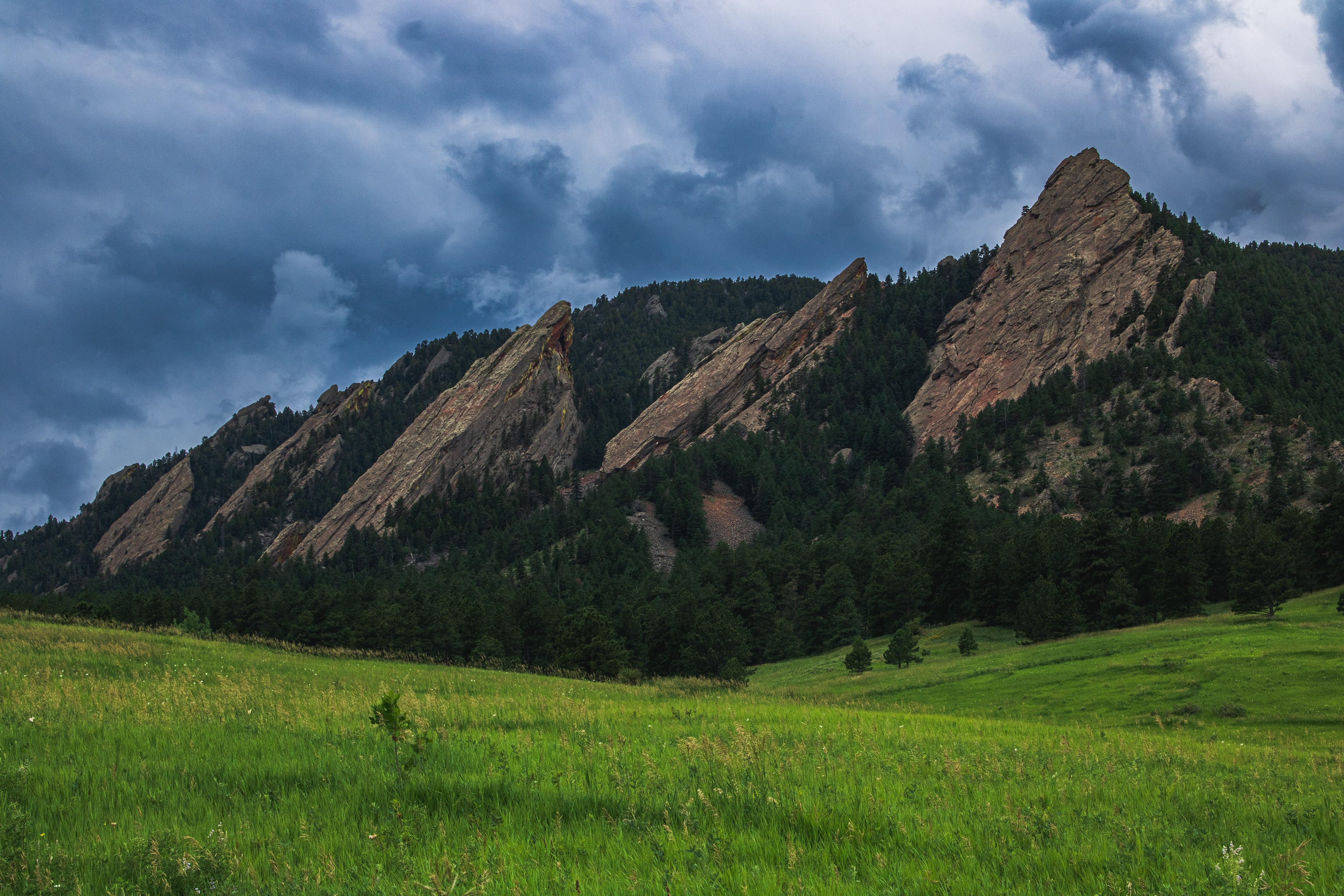

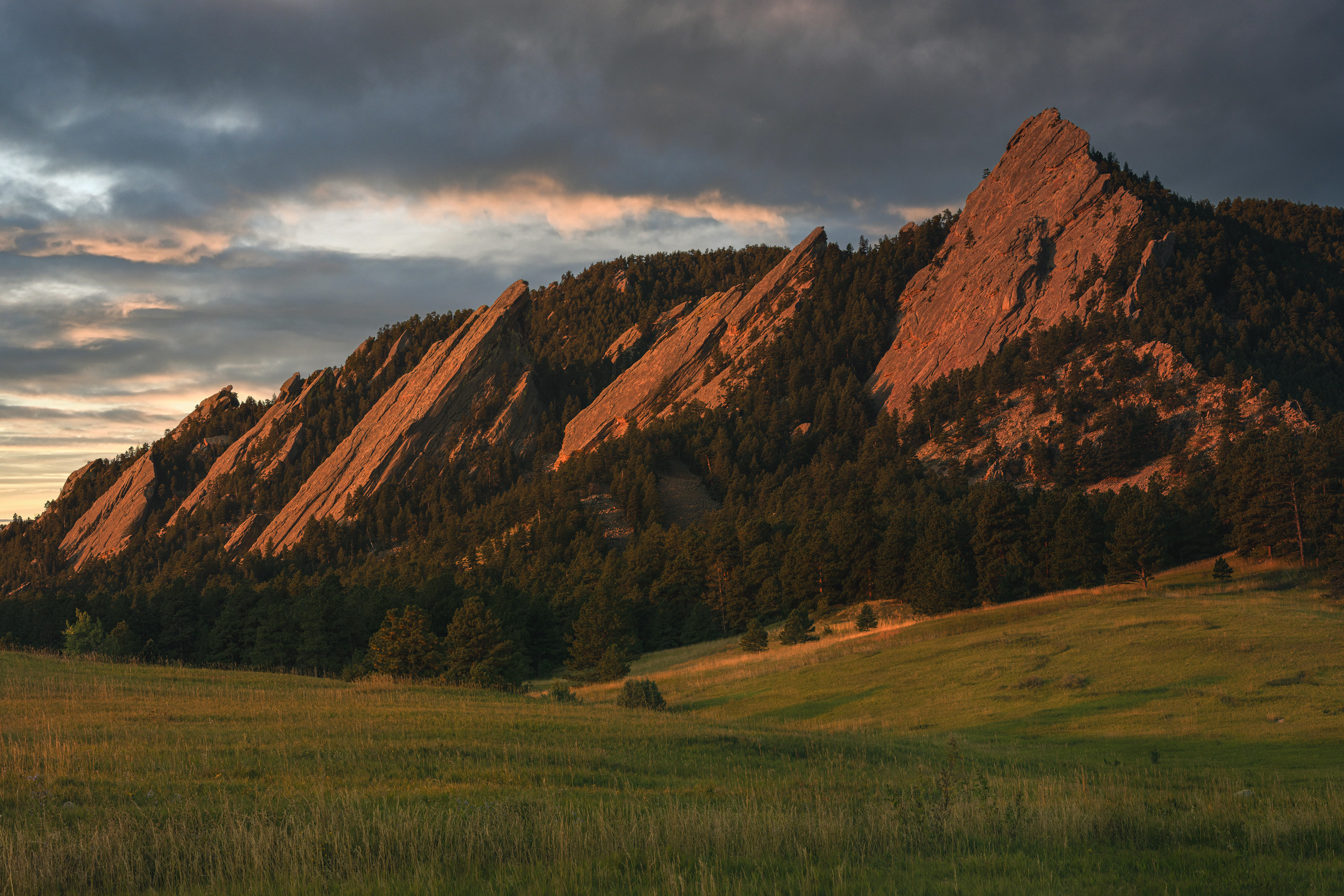
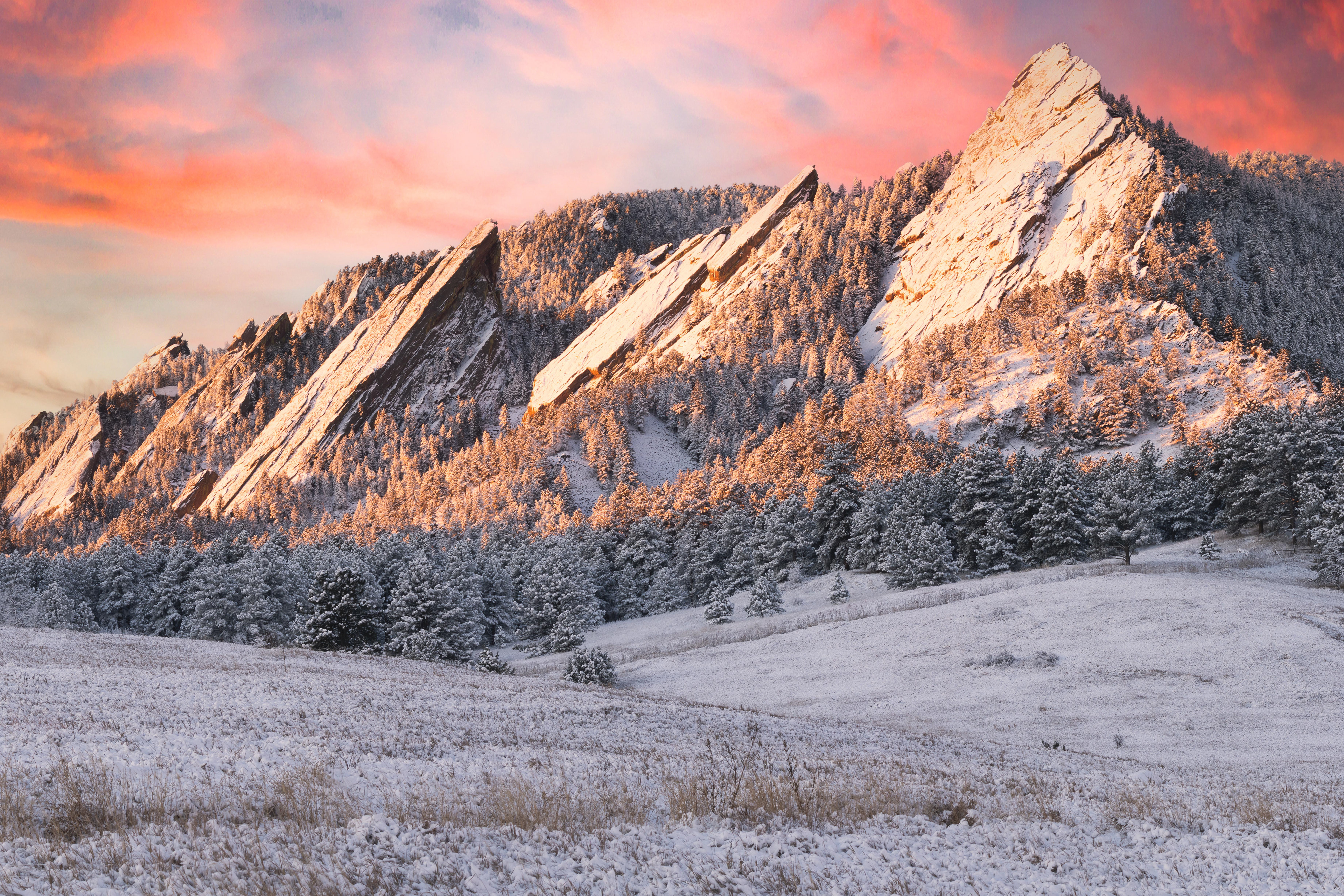
That series only exists because I could show up in conditions I never would have planned for. Nobody books a trip hoping for a grey, foggy Tuesday. But when it's a fifteen-minute drive, you go anyway. And some of those "wrong" days ended up being my favorites.
That's the luxury of being local. On a trip, you don't get a hundred chances. You get one or two shots at a shot. That's it.
Which brings me to the two philosophies I keep coming back to.
Taking a photo, and making a photo.
Both need skill. Both need effort. You could argue one needs more technique and the other needs more patience, and you'd probably be right either way.
Most of my shots are made. I have a set composition I want, in very specific conditions, and I wait for those elusive pieces to fall into place. Sometimes that takes a few tries. Sometimes it takes a lot. Like, a lot a lot.
But when it finally happens?
Oooo la la.
You end up with your bucket shot.
And every grey, rainy, foggy, disappointing morning that came before it suddenly becomes part of the story.
Even the tantrums.